Brick, Redesigned
Overview
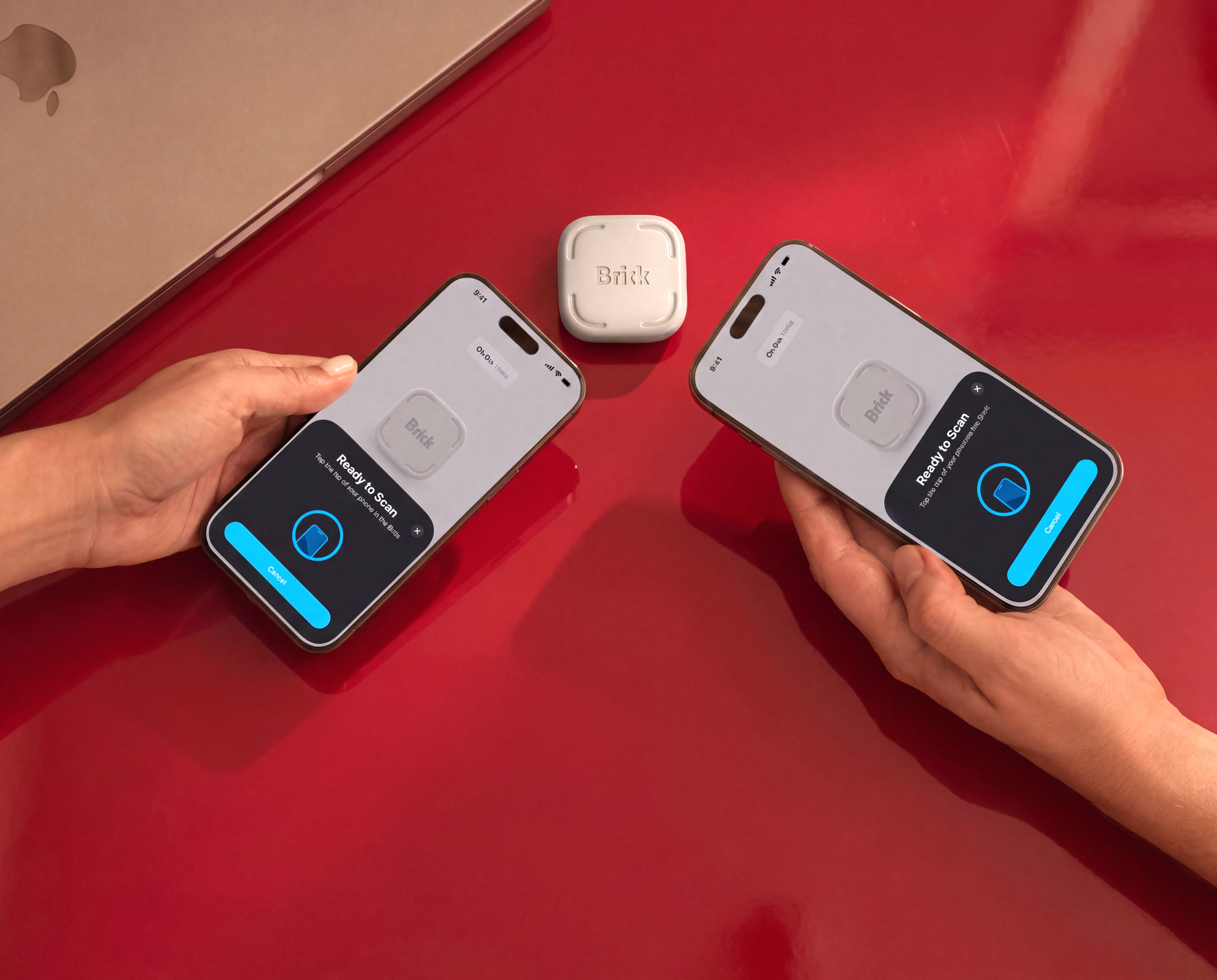
Brick is a physical key for your phone. Tap it to block the apps that pull you away from focus, from work, and from the things you love. Tap again to unlock. It only works when it's within reach, so the boundary is physical instead of just another setting. A totem and sculptural object that supports digital hygiene.
What's Inside
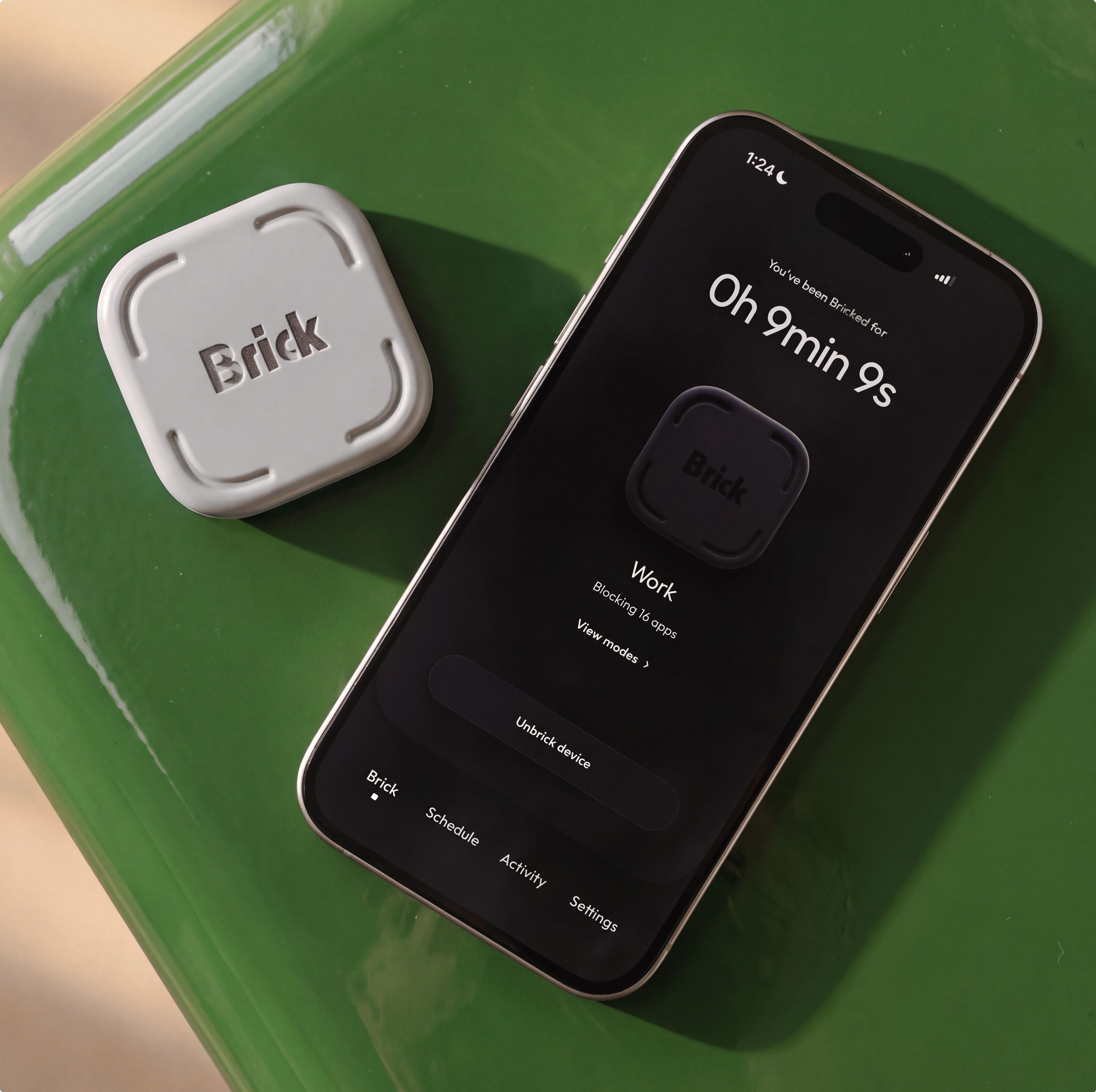
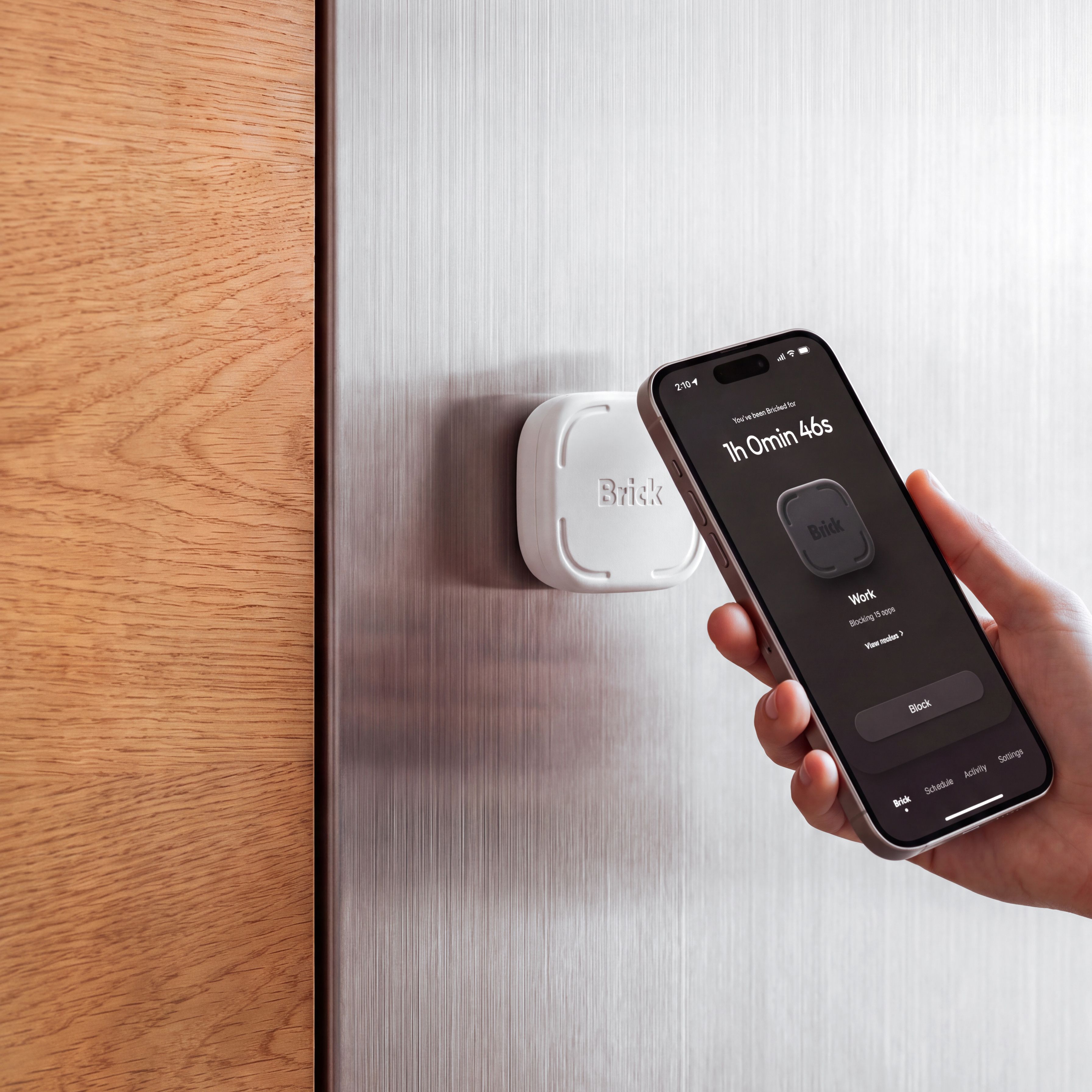
Brick works in two parts. In the app, you choose which apps and websites to block, or flip it and choose only the ones to keep. Those choices become modes for different parts of the day, like Work, Study, Family Time, or Sleep. To start a mode, you tap your phone to the device. To end it, you tap again. Because ending a mode means walking back to the Brick, a quick override isn't an option. A strict mode also closes the usual loopholes, like deleting the app or changing settings. The app tracks focus time, so you can see the change over time. The device itself needs no battery, no charging, and no Wi-Fi. One Brick works with any number of phones on iOS and Android, and one phone can pair with several Bricks for home, work, or the car.
Ceramic Inspired
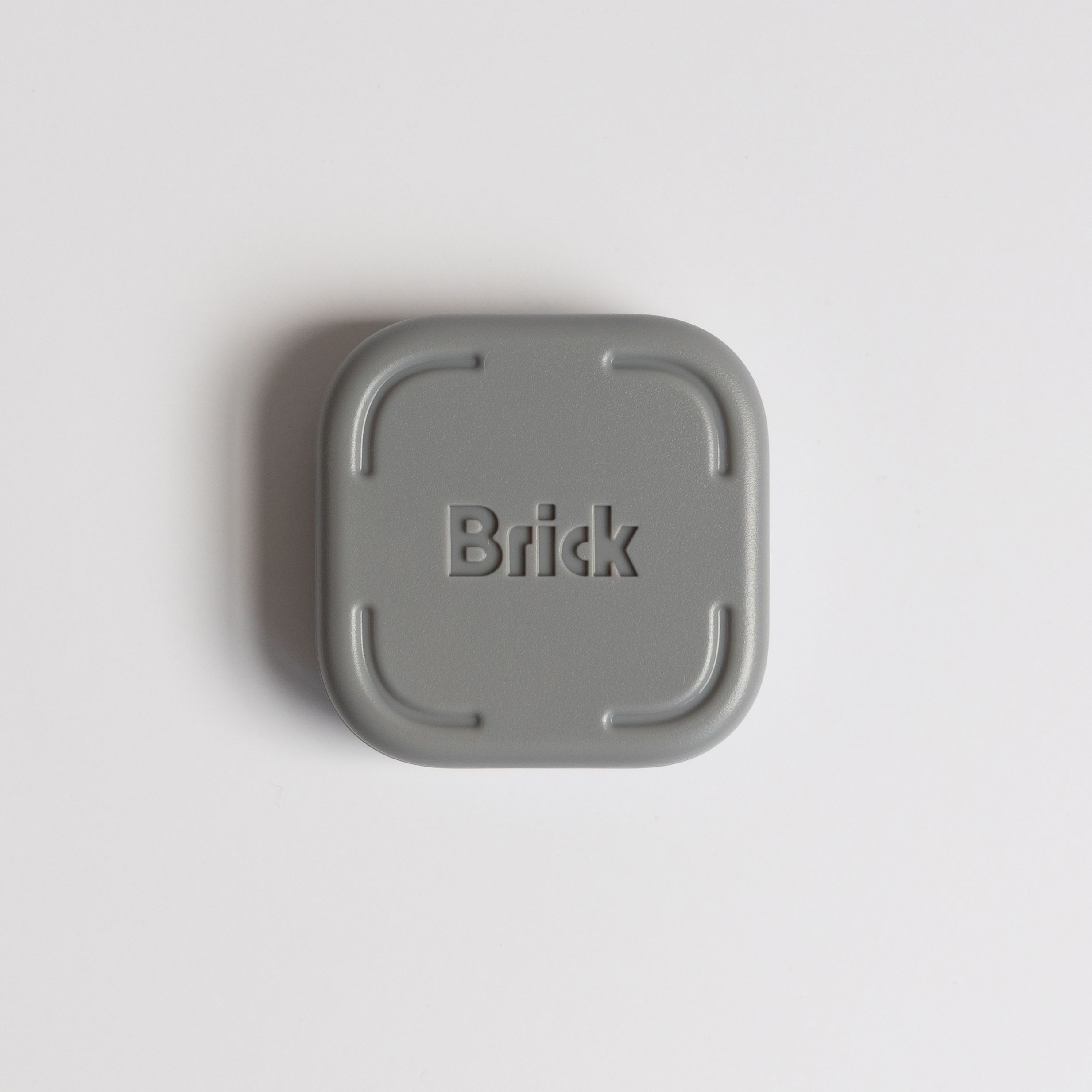
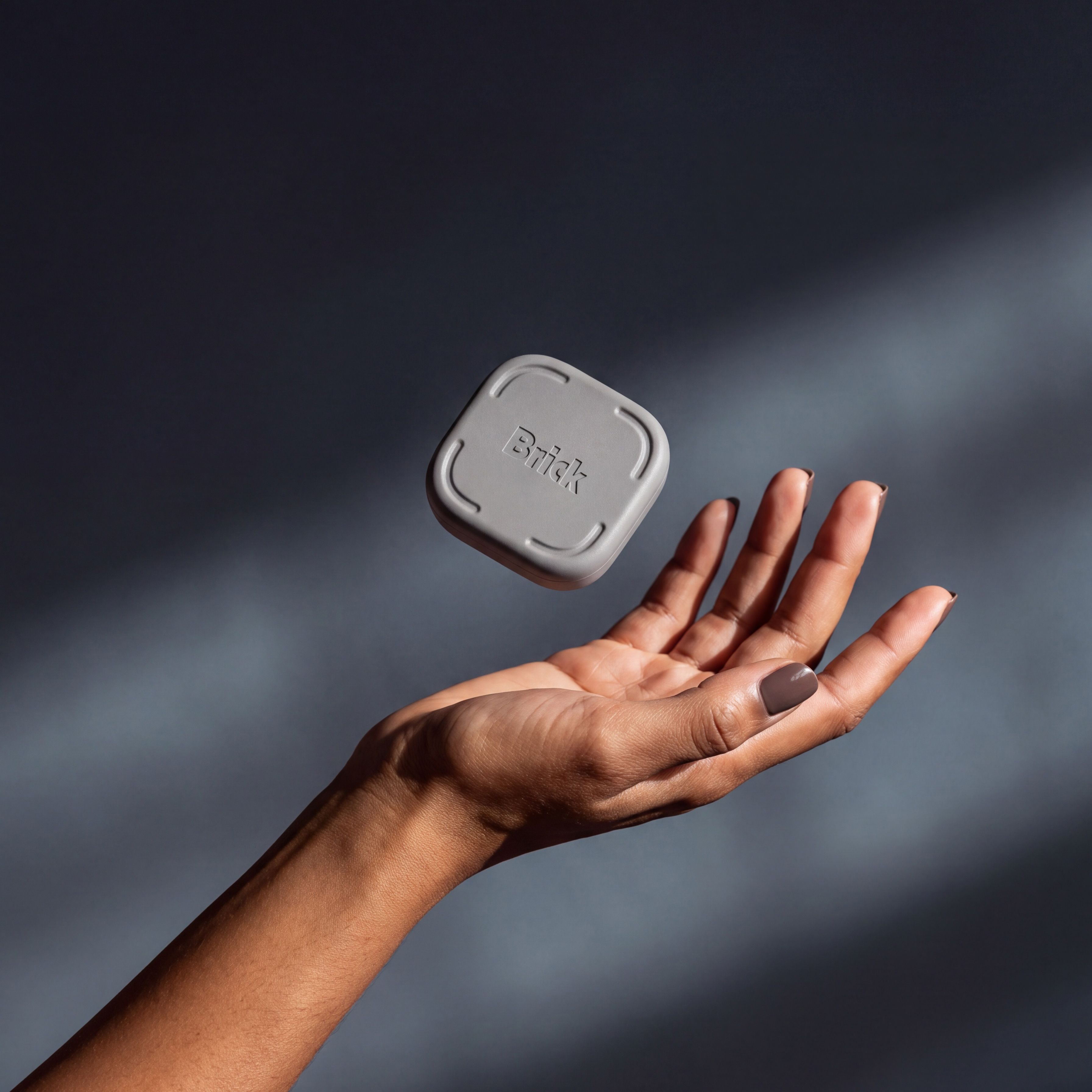
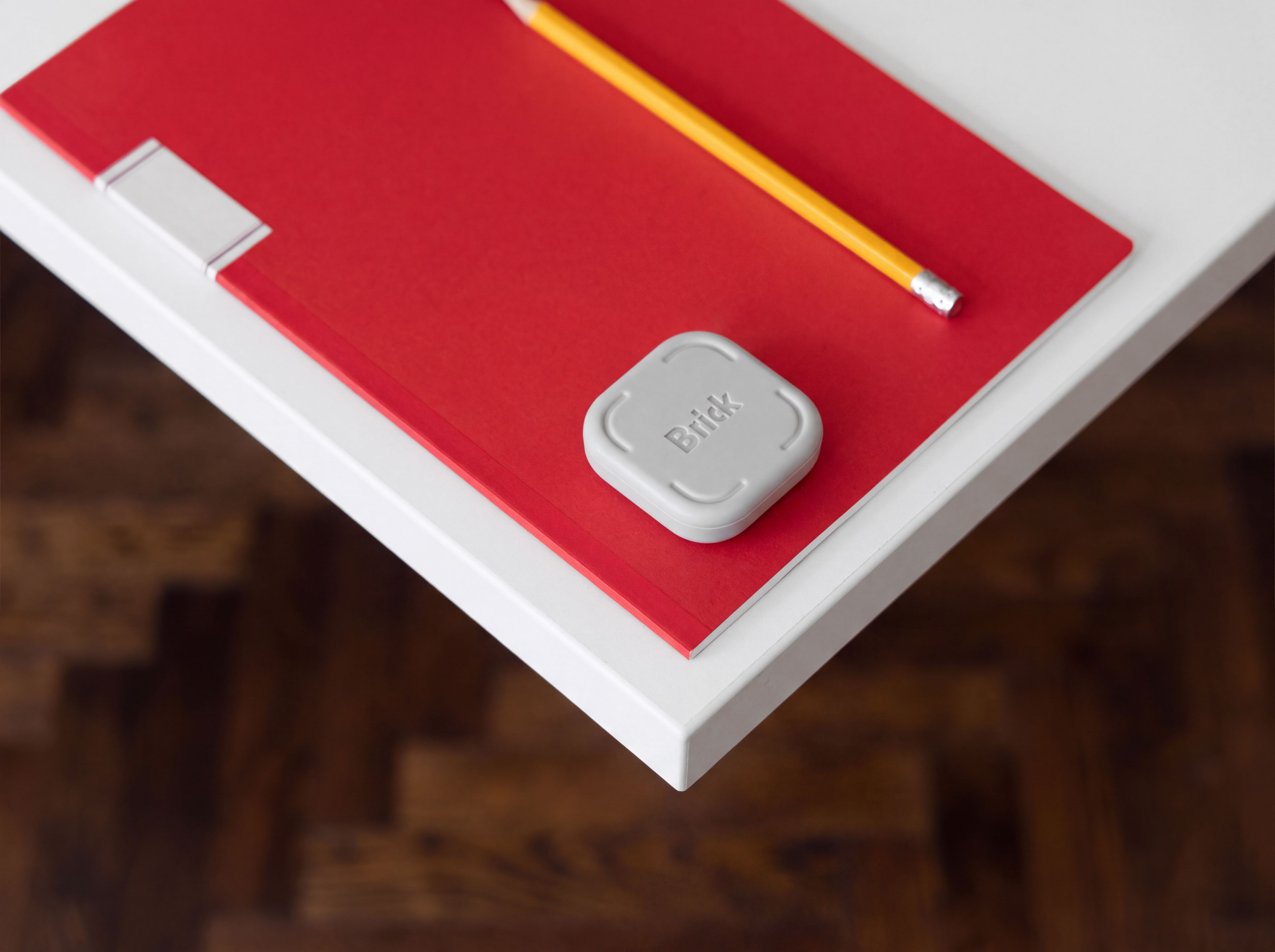
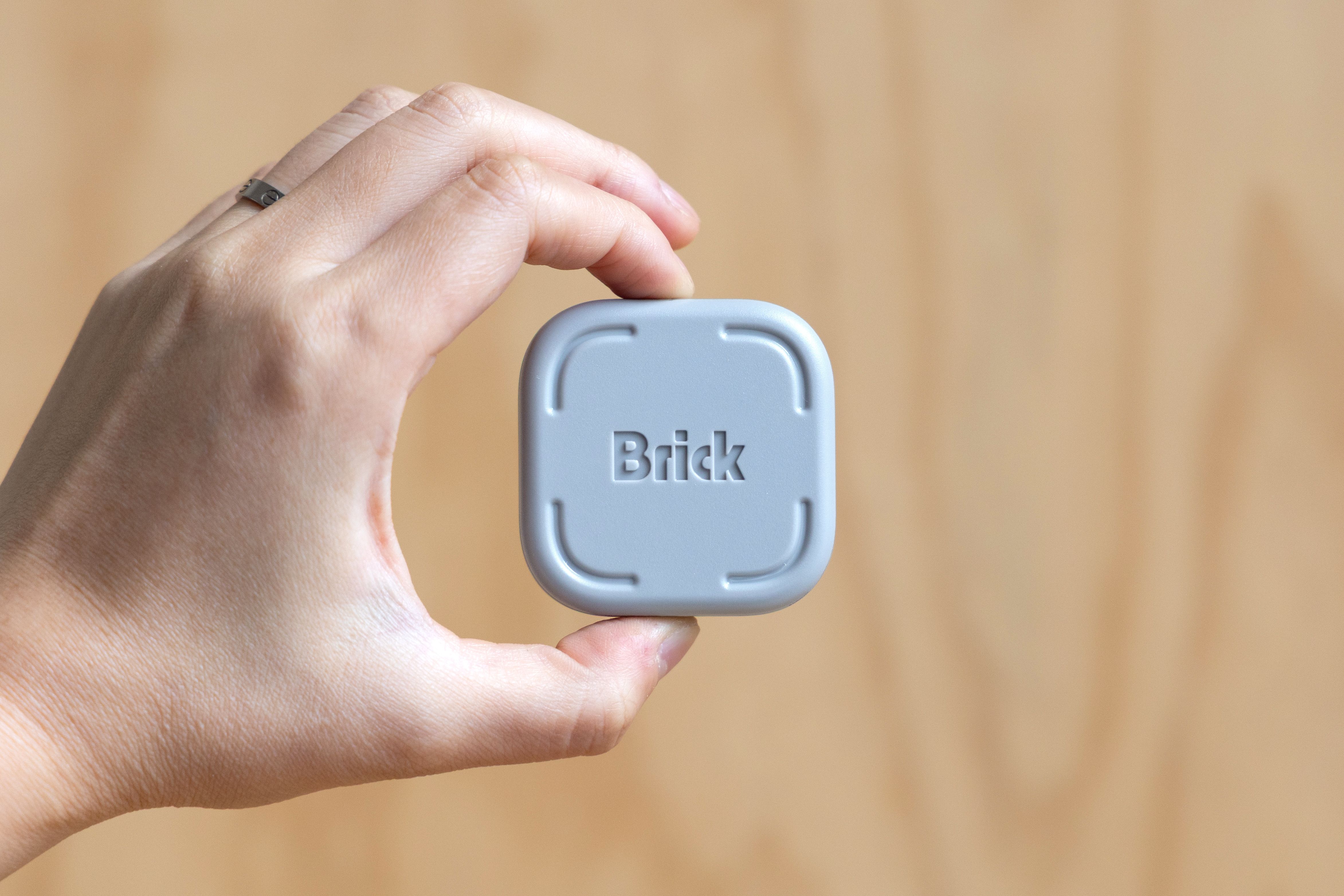
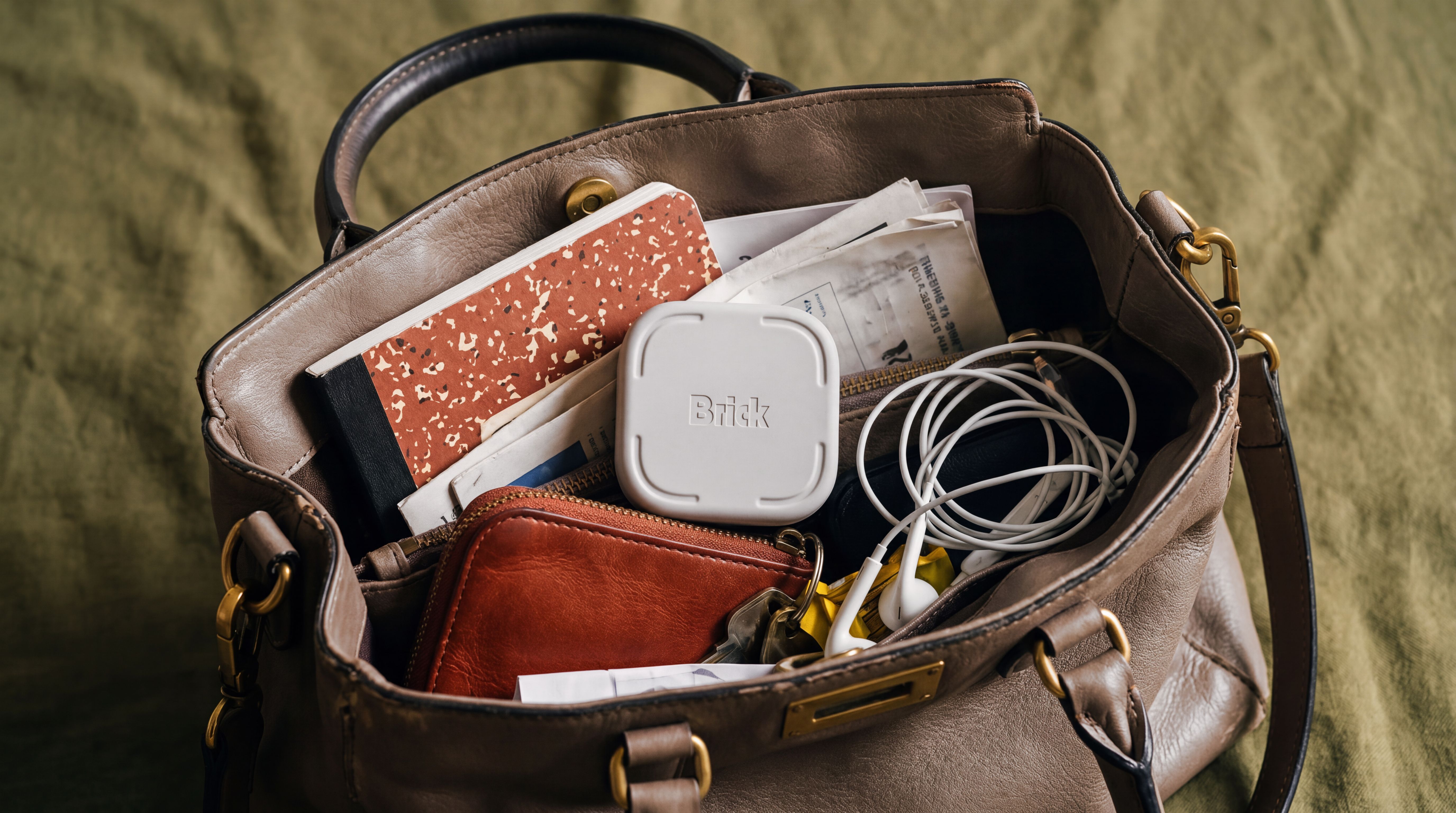
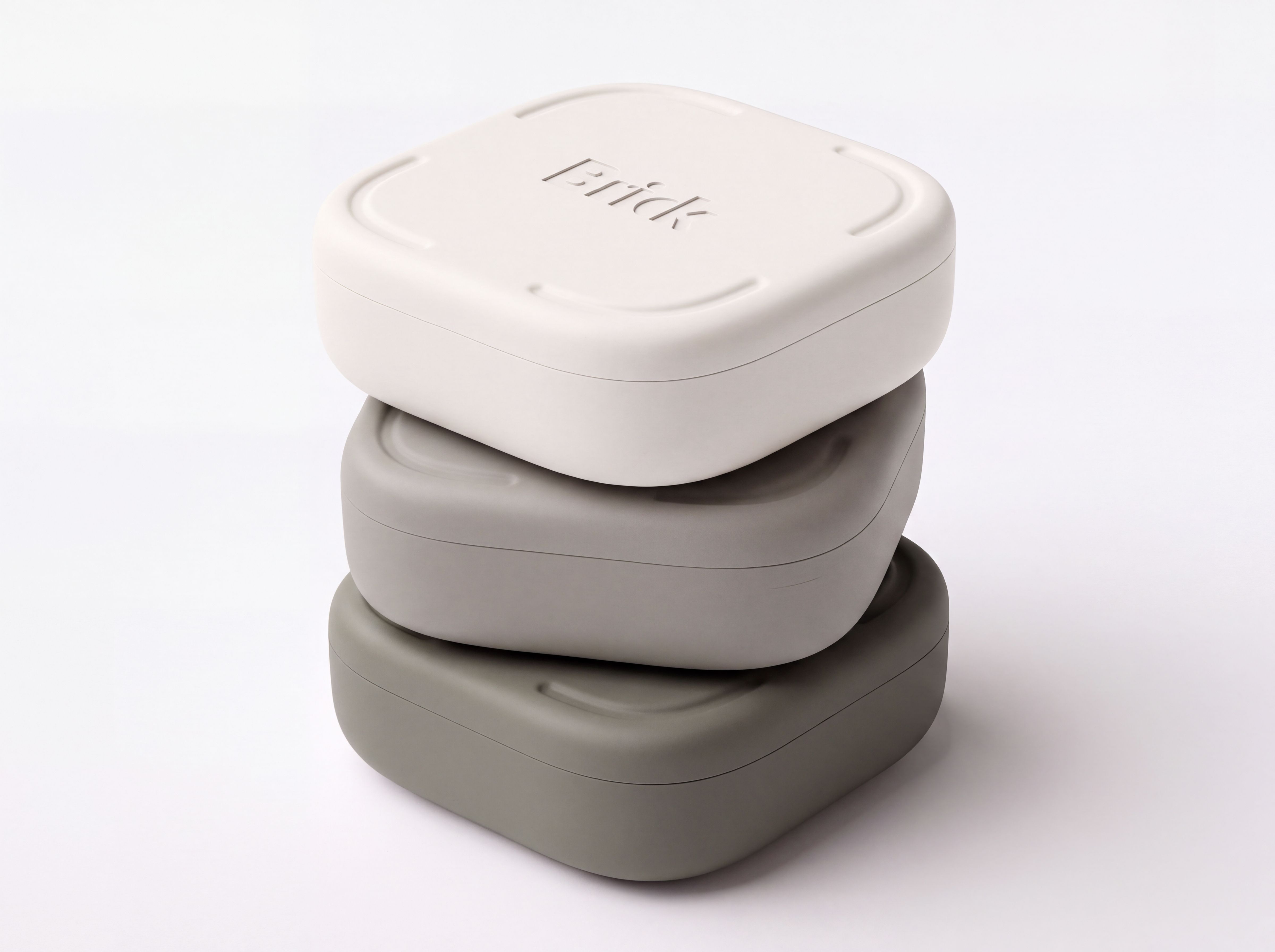
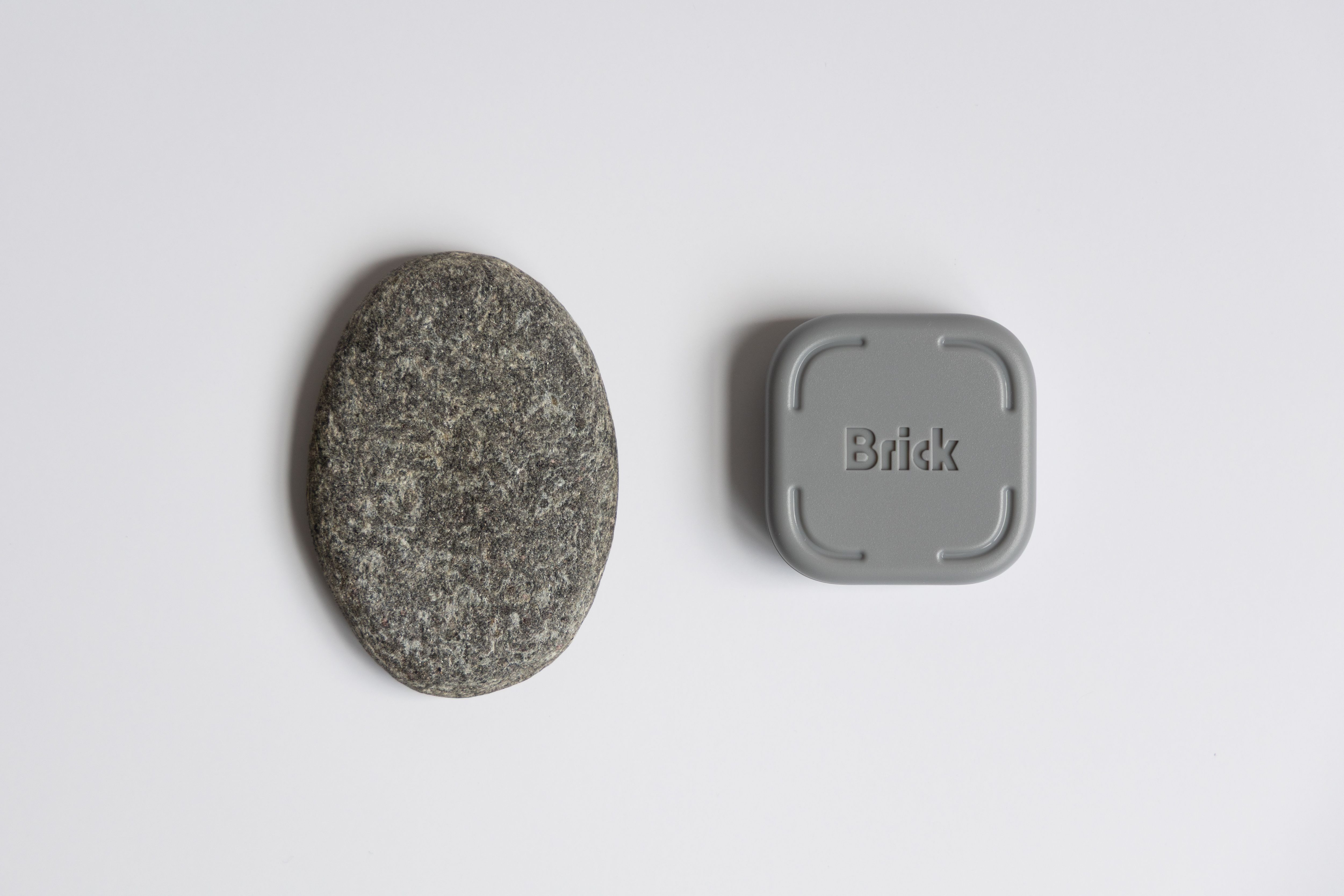
For the second generation, we sculpted and softened the original form. Generous radii wrap the base, and subtler radii run across the top surface. The iconic brick debosses were softened to match, giving the surface the feel of clay. The result is a small, ceramic-inspired vessel that packages Brick's technology and blends into the home rather than standing out in it.
It's in the Details
Underneath, a rubber pad keeps it planted and a hidden magnet easily attaches it to metal surfaces like a fridge or a file cabinet. A custom mount, designed alongside the device, takes it to the wall. It's a simple object with a lot of technology inside, refined over months of iteration.
An Iterative Process
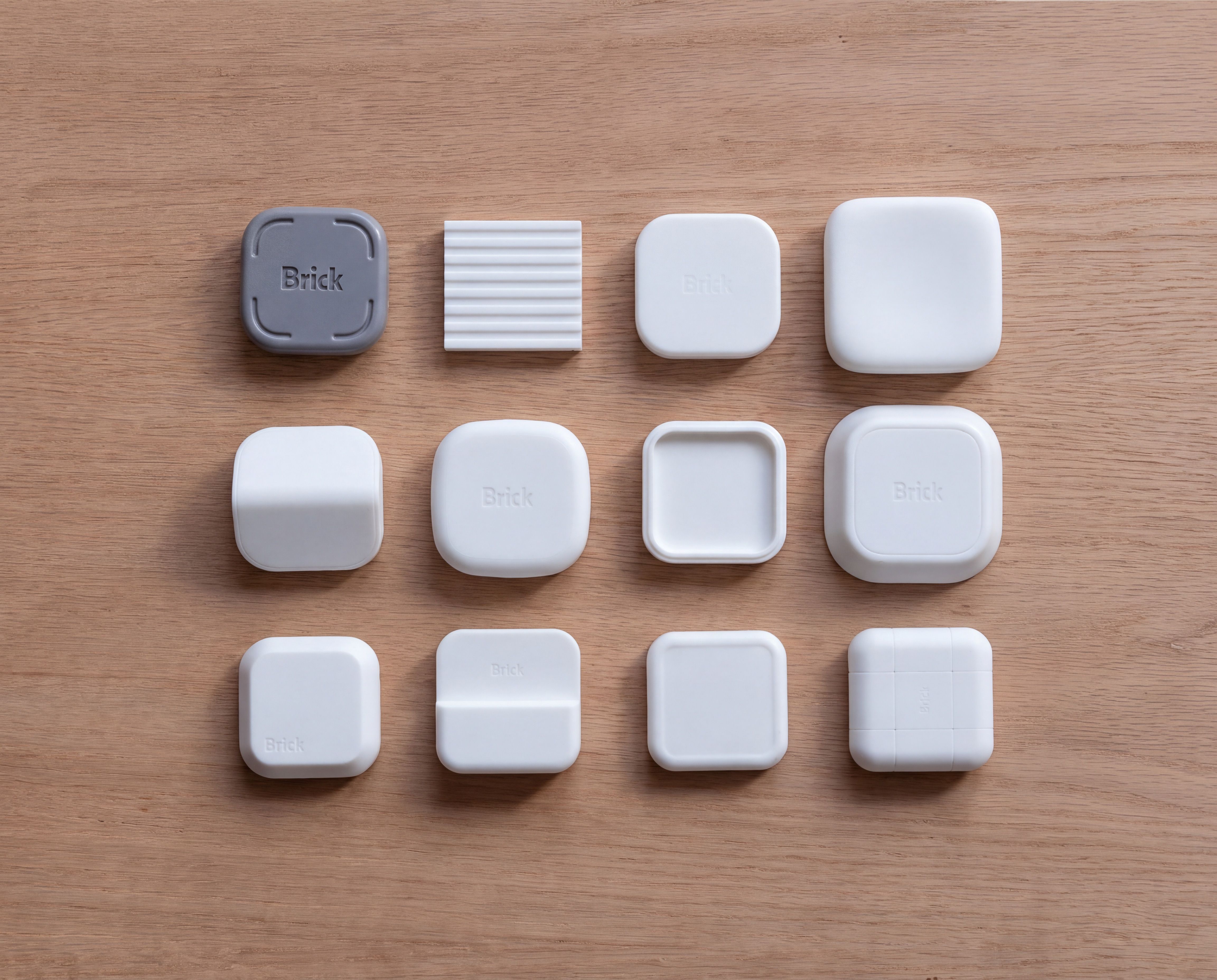
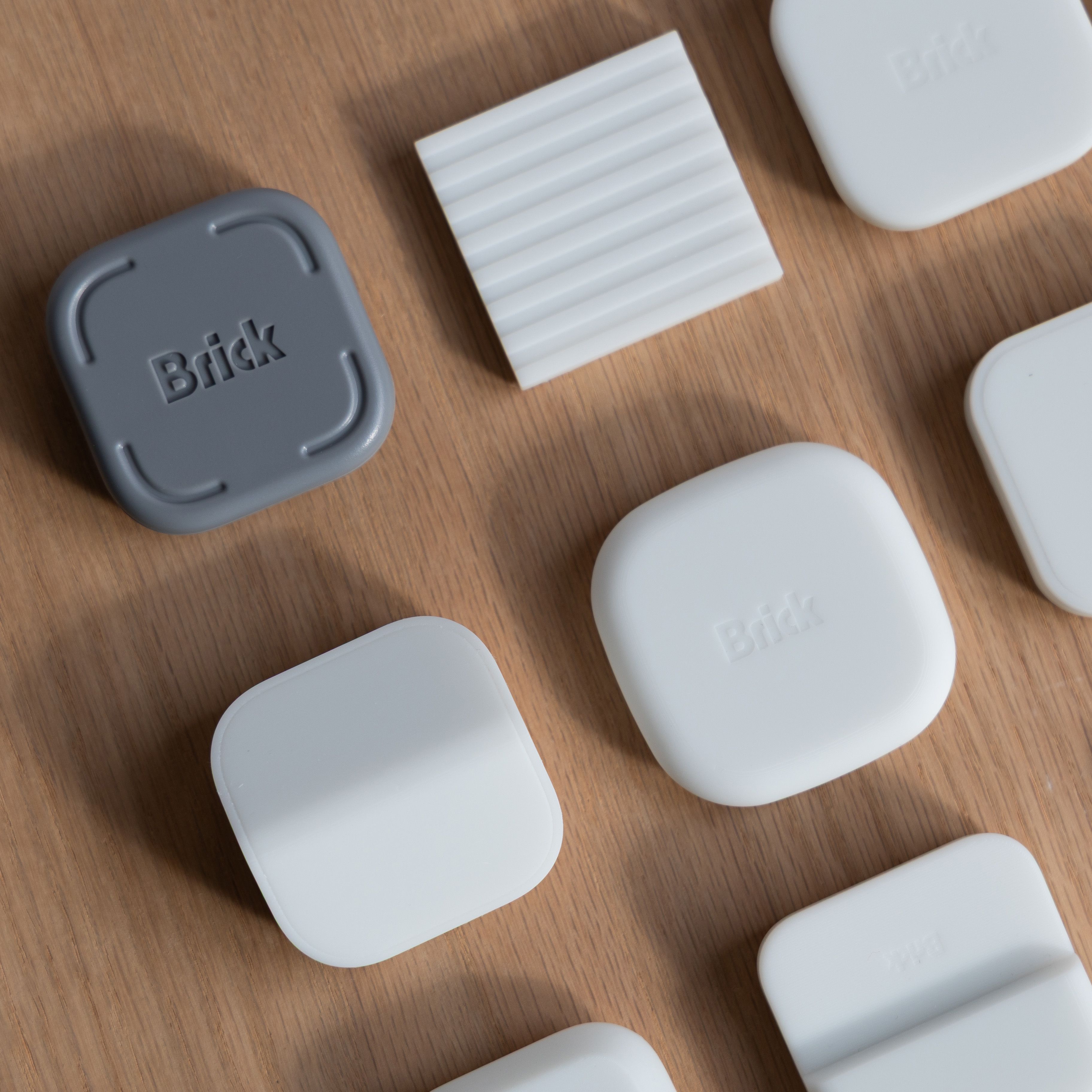
The final form came out of constant iteration. We started wide, exploring divergent forms before narrowing toward the 'vessel' design. In parallel, we tested different ways of applying the brand mark and its iconic brackets: how deep, how soft, and where they sit on the surface. Each round moved from CAD to renderings to 3D prints in hand, then back to CAD. Some decisions only showed up on screen. The radii and the depth of the debosses only resolved once we could hold them. Most of the work happened in that loop.
View more
,